Tracking Stake Adjustments Across Multi-Game Sessions in Digital Casinos
Anna Werner · Oct 26, 2026
Tracking Stake Adjustments Across Multi-Game Sessions in Digital Casinos
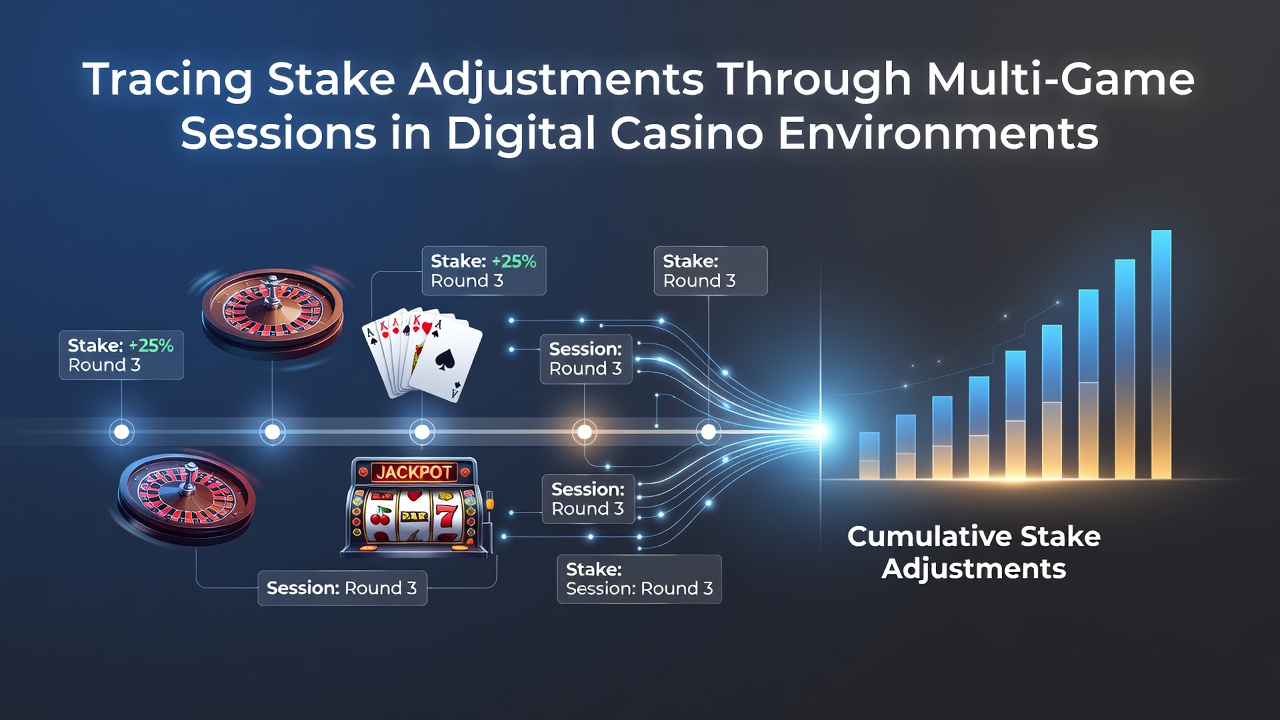
Digital casino platforms record stake adjustments as players move between game types during single sessions, creating detailed logs that operators use to analyze behavior patterns and session continuity. These systems capture changes in bet sizes when users switch from slots to roulette or blackjack, and the data flows through centralized tracking modules that timestamp each modification alongside game identifiers.
Platform architecture typically integrates player account histories with real-time game servers, allowing operators to follow stake sequences even when participants jump between categories such as video poker and live dealer tables. According to documentation from the Nevada Gaming Control Board, such cross-game logging helps maintain compliance records while generating datasets that reveal how individuals scale wagers after wins or losses in preceding rounds.
Mechanics of Multi-Game Stake Logging
Software frameworks in online casinos employ unified ledgers that store stake values at the moment of each bet placement, and these records persist across game transitions because the player profile remains active until logout or session timeout occurs. Engineers design these ledgers to flag adjustments that exceed predefined thresholds, which then trigger additional metadata collection including time intervals between games and cumulative exposure levels.
Researchers at institutions like the University of Nevada, Las Vegas have examined aggregated logs from multiple operators, and their analyses show that stake increases often cluster around transitions from low-volatility slots into higher-stakes table games. Data from these studies indicate that average bet sizes rise by measurable percentages when players shift categories within the same hour-long window, while decreases appear more frequently after extended losing streaks in any single title.
Patterns Observed in Extended Sessions
Observers note recurring sequences where participants lower stakes upon entering a new game following a significant payout in the previous one, and the pattern reverses when users carry forward momentum from small wins. Platform analytics tools segment these adjustments by session duration, revealing that longer multi-game runs exhibit more gradual stake escalations compared with shorter, single-game bursts.
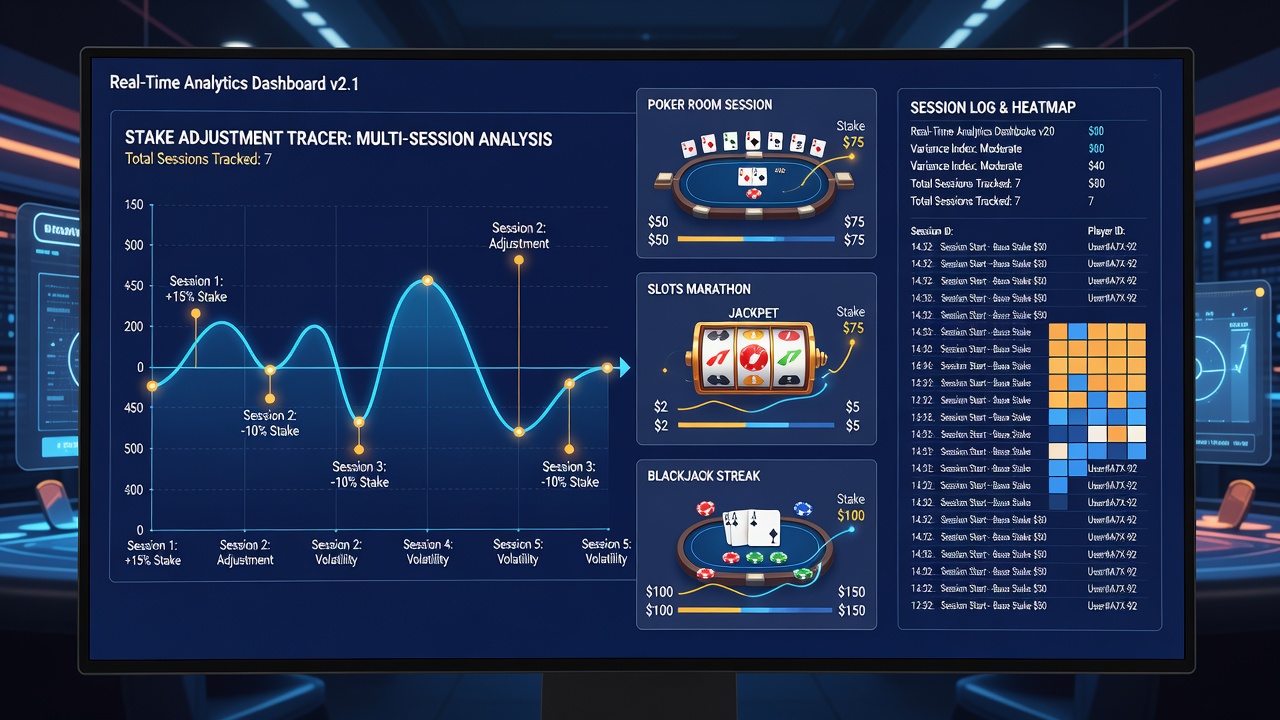
October 2026 brought incremental updates to several major casino management systems that improved the granularity of these cross-game records, enabling finer distinctions between manual stake changes and automated bonus-triggered adjustments. Reports compiled by the Australian Gambling Research Centre highlight how such refinements allow clearer mapping of risk exposure across diverse game portfolios without requiring separate tracking silos for each category.
Operators apply these datasets to calibrate responsible gambling alerts that activate when rapid stake escalations span multiple titles, and the alerts reference historical session baselines rather than isolated game performance. Industry associations in Canada have documented similar approaches, noting that integrated logs help distinguish between recreational stake variation and patterns that warrant further review.
Technical Integration and Data Flow
Backend databases link stake events through unique session tokens that travel with the player account, ensuring continuity even when graphics engines and random number generators switch between titles. This token system supports queries that reconstruct entire sequences of adjustments, from initial low-stake spins through mid-session increases and eventual wind-down phases.
Third-party auditing firms verify the accuracy of these flows by sampling historical records, and their protocols confirm that timestamp alignment across games remains consistent within millisecond tolerances. Such verification supports regulatory reporting requirements in multiple jurisdictions while preserving the raw sequences needed for behavioral analysis.
Conclusion
Comprehensive tracking of stake adjustments through multi-game digital sessions relies on unified logging architectures that connect individual bet events across titles, and these systems continue to evolve with software updates that enhance data resolution. Figures from regulatory bodies and academic sources demonstrate consistent patterns in how players modify wagers during extended play, providing operators with structured datasets for compliance and operational review. The integration of session tokens and threshold-based flagging maintains traceability while supporting the analysis of cross-category behavior in virtual casino environments.