Resource Flow Dynamics Between Athletic Wagering Platforms and Electronic Gaming Networks
Anna Werner · Aug 18, 2026
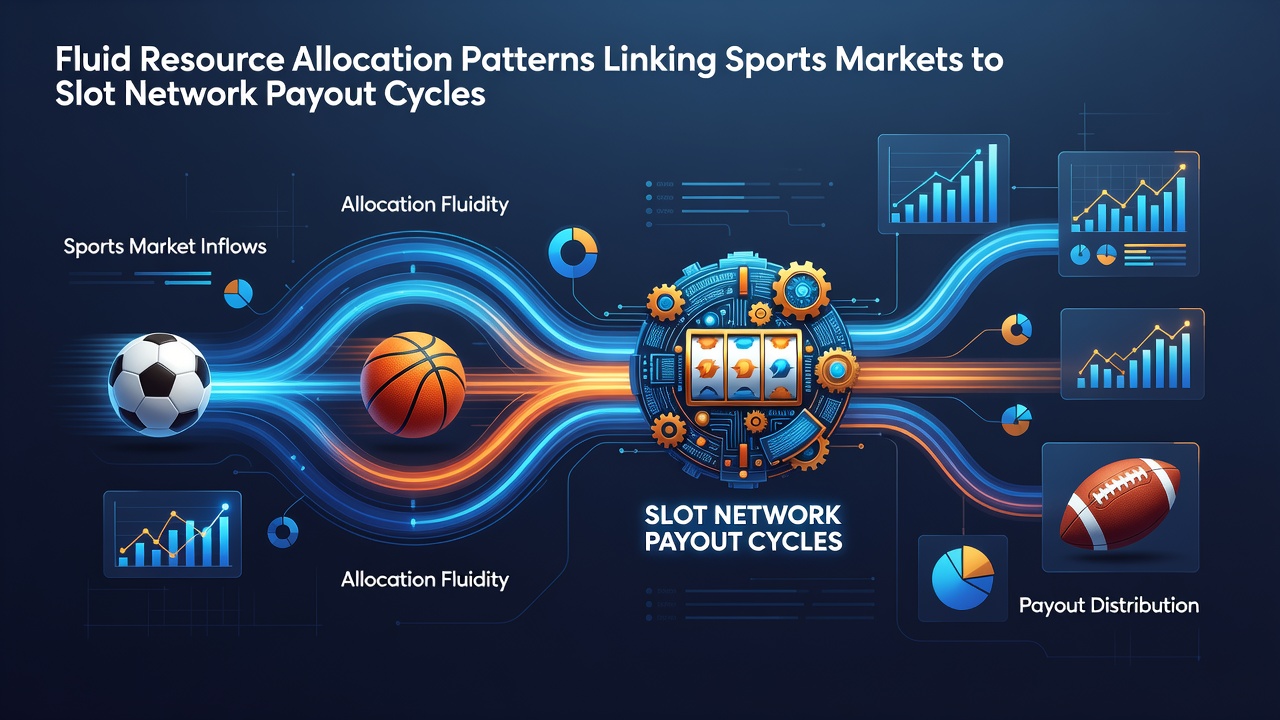
Resource Flow Dynamics Between Athletic Wagering Platforms and Electronic Gaming Networks
Operators in multiple jurisdictions track how capital moves between athletic wagering platforms and interconnected slot networks, with data from 2026 revealing measurable shifts in allocation patterns that align sports market activity with reel payout cycles. Researchers at institutions studying gaming economics have documented these flows through transaction logs and liquidity metrics collected across North American and European markets, noting that peak volumes in live sports events often coincide with adjusted return-to-player rates on linked slot systems.
Mapping Capital Movement Across Market Segments
Studies conducted by the Nevada Gaming Control Board and similar bodies show operators reallocating reserves when sports betting handles surge, which in turn influences the frequency and size of slot network distributions during overlapping time windows. Figures released in mid-2026 indicate that when major league events draw concentrated wagers, platforms divert portions of those inflows toward progressive slot pools, creating observable payout clusters that follow within hours or days. Observers note these patterns emerge because shared backend systems manage both verticals through unified risk models, allowing real-time adjustments based on incoming data streams.
Analysts examining transaction records from August 2026 found that slot cycles in multi-state networks lengthened or shortened in response to sports market volatility, with certain operators using predictive algorithms to balance exposure. One documented case involved a regional network where basketball playoff surges prompted immediate redistribution of reserves, resulting in elevated jackpot triggers across connected machines within the same operational window. These adjustments rely on automated protocols that monitor both sides of the business simultaneously rather than treating them as isolated revenue streams.
Seasonal and Event-Driven Correlations in Payout Timing
Data compiled by research groups at universities in Australia and Canada highlights how championship seasons create predictable ripples through slot networks, because operators anticipate higher overall handle and prepare allocation schedules accordingly. During periods of intense sports activity, electronic gaming systems exhibit compressed payout intervals that mirror the timing of major athletic fixtures, according to aggregated reports from industry monitoring services. The mechanisms involve liquidity buffers that expand or contract depending on sports market outcomes, feeding directly into the random number generators and progressive meters that govern slot results.
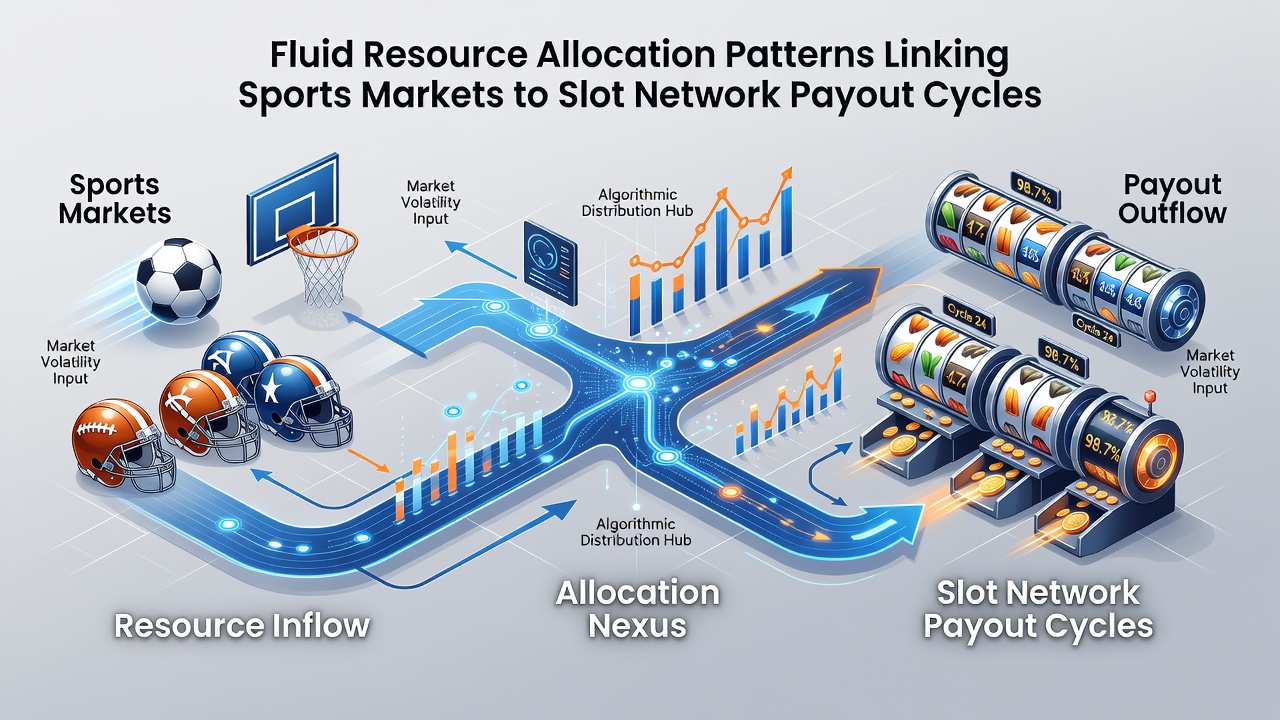
Those who have analyzed multi-year datasets point out that August often serves as a transitional month where summer sports conclude and preparatory reallocations begin for upcoming fall schedules, producing measurable changes in slot cycle lengths across networks. External reports from the Australian Gambling Research Centre confirm similar linkages in regulated markets, where operators adjust prize pools in tandem with fluctuating sports betting margins to maintain overall system stability. These practices reflect integrated treasury management rather than independent vertical strategies, with algorithms processing live feeds from both sports books and gaming floors to optimize reserve deployment.
Technological Infrastructure Enabling Cross-Market Adjustments
Platform providers have developed unified dashboards that display real-time metrics from sports markets alongside slot performance indicators, enabling rapid shifts in resource distribution when thresholds are crossed. Industry associations tracking 2026 implementations report that operators using these systems achieve tighter synchronization between athletic wager volumes and subsequent slot payout events, reducing idle capital while meeting regulatory reserve requirements. The underlying architecture processes betting inflows and gaming outflows through common ledgers, which allows patterns to emerge that would remain invisible if each segment operated on separate accounting frameworks.
Evidence from operational reviews indicates that networks incorporating machine learning models for allocation decisions recorded higher alignment between sports event calendars and slot cycle peaks throughout the first eight months of 2026. These models incorporate variables such as event attendance projections, betting line movements, and historical payout data to forecast when additional resources should flow toward progressive systems. As a result, certain slot titles display elevated hit frequencies during or immediately after high-profile sports competitions, a phenomenon documented in multiple operator case files shared with regulatory oversight bodies.
Conclusion
Patterns linking athletic wagering activity to slot network payout cycles continue to evolve as operators refine their allocation protocols and regulatory frameworks adapt to integrated gaming environments. Information gathered from diverse jurisdictions demonstrates that these connections arise from shared technological and financial infrastructures rather than coincidental timing, with 2026 data providing clearer visibility into the mechanisms at work. Continued monitoring by research organizations and oversight agencies will likely yield further details on how these cross-market dynamics develop in subsequent periods.