How Ambient Audio Cues Modify Player Bets in Digital Table Games
Theo Simmons · Aug 25, 2026
How Ambient Audio Cues Modify Player Bets in Digital Table Games
Virtual table environments have incorporated layered sound design for years, yet researchers continue to track how those audio layers interact with real-time wagering choices. Studies released in early 2026 examined platforms offering blackjack, roulette, and baccarat where background tracks, chip sounds, and crowd murmurs could be toggled or adjusted by operators.
Data collected across multiple European and North American sites showed measurable shifts in average bet size and frequency once ambient tracks changed volume or tone. Observers note that continuous low-volume crowd noise often coincided with steadier bet patterns, whereas sudden increases in music tempo aligned with quicker decisions and larger wagers in several tracked sessions.
Research Methods Used in Recent Analyses
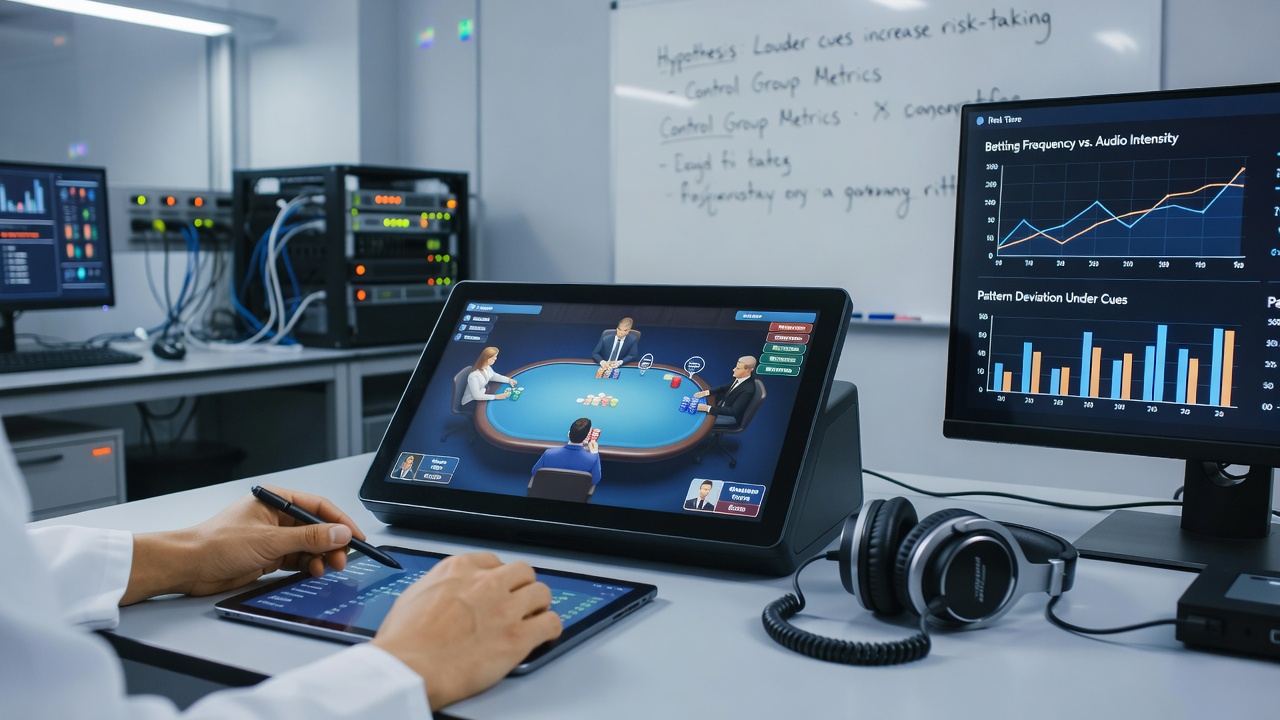
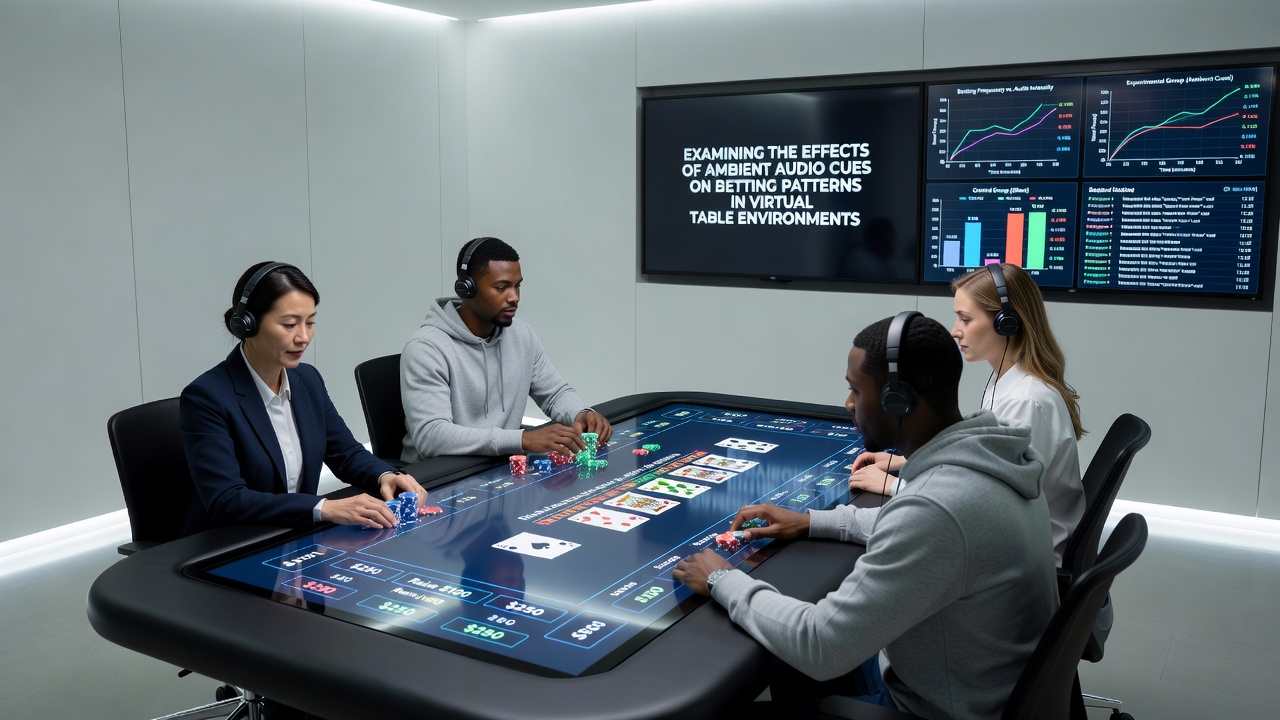
Teams from academic institutions and independent gaming labs gathered anonymized session logs from operators who agreed to vary audio settings during controlled test periods. One project running through August 2026 compared identical game versions with and without ambient layers while holding visual elements constant. Participants played under randomized sound conditions, and logs recorded every bet placement, raise, or fold without collecting personal identifiers.
Equipment logs captured exact timing between audio events and subsequent wagers, allowing analysts to calculate correlations between specific cue types and changes in stake amounts. Researchers cross-referenced these patterns with self-reported mood surveys completed at session start and end, though the surveys remained separate from account data to preserve privacy standards.
Observed Patterns Across Game Types
In blackjack environments, continuous ambient crowd murmurs paired with occasional chip clinks correlated with smaller incremental raises rather than large all-in moves. Roulette sessions that included rising musical tension during the spin phase showed increased frequency of outside bets, while inside-number wagers stayed relatively stable. Baccarat tables with minimal background audio produced fewer side-bet activations compared with versions carrying low-level music loops.
Operators testing variable audio intensity reported that players exposed to higher-volume tracks placed bets at shorter intervals, though total session duration did not always increase. Separate logs indicated that sudden silence after sustained ambient sound sometimes prompted a brief pause before the next wager, after which average stakes returned to prior levels.
Regulatory and Industry Data Sources
Reports compiled by the Canadian Gaming Association documented similar audio-related variations in provincially licensed online tables during 2025 testing cycles. Figures from those reviews indicated that platforms adjusting ambient tracks saw modest but consistent differences in per-hand average wagers across thousands of sessions.
Parallel work at the University of Nevada examined audio cue timing relative to decision speed in simulated poker rings. Their published summaries noted that brief audio spikes immediately before the betting window closed aligned with higher fold rates on marginal hands, while steady background layers showed no such association.
Platform Implementation Trends
Many virtual table providers now allow players to select from several ambient presets or disable audio entirely. Backend dashboards used by operators track which preset correlates with longer average session lengths and which settings precede quicker exits. These internal metrics remain proprietary, yet aggregated summaries shared with researchers continue to feed broader studies on environmental design.
Engineers responsible for sound integration have adjusted compression levels and frequency ranges so that ambient tracks do not mask critical game announcements such as “no more bets” or card reveals. Calibration tests conducted in August 2026 confirmed that balanced mixing preserves both immersion and clarity across desktop and mobile interfaces.
Conclusion
Current evidence from session logs and controlled comparisons indicates that ambient audio cues can coincide with shifts in betting frequency and size within virtual table environments. The strength and direction of those shifts vary by game type, cue category, and volume level. Ongoing data collection through the remainder of 2026 will supply additional datasets for refining these observations across different regulatory jurisdictions and player demographics.