Exploring Interconnected Bonus Structures That Sustain Wagering Sessions in Multi-Game Environments
Anna Werner · Nov 9, 2026
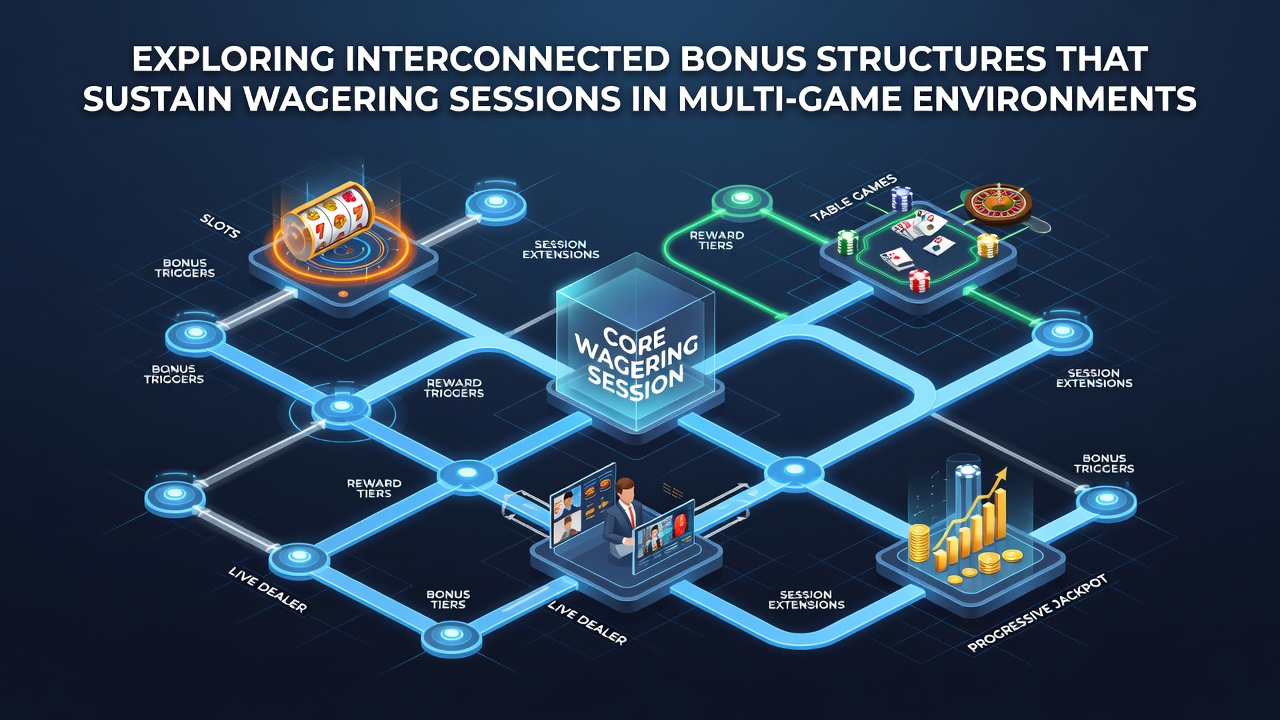
Operators in multi-game environments have developed layered reward mechanisms that link progress across slots, table games, and live dealer options, allowing players to carry forward accumulated value from one title to another without resetting balances or requirements. These frameworks often operate through centralized loyalty accounts where points earned during a slots session convert directly into table game credits or free bet tokens, creating seamless transitions that maintain momentum over extended periods. Data from industry tracking systems shows that such linkages reduce session interruptions by channeling activity through shared progress bars and milestone triggers.Mechanics Behind Cross-Game Reward Integration
Platforms achieve interconnection by assigning universal point values to diverse wagering activities, so a spin on a video slot contributes to the same loyalty tier as a hand of blackjack or a round of roulette. Conversion rates typically follow fixed ratios established by the operator, with some systems applying multipliers during promotional windows to encourage movement between game categories. Players accumulate these points in a single dashboard view, and redemption options span multiple verticals, meaning a bonus unlocked through slots play might activate as table game chips or live dealer credits on the same account.
Studies from the University of Nevada's gaming research division indicate that these unified ledgers increase average session duration by channeling activity into progressive challenges that span genres. For instance, completing a certain number of spins might unlock a bonus round that applies to poker tournaments, while table game wins feed back into slot-specific multipliers. This bidirectional flow keeps teh account active across different interfaces rather than isolating play within one category.
Examples of Layered Bonus Networks in Operation
One common implementation involves tiered loyalty clubs where silver-level members gain access to interconnected free spin bundles that also credit toward blackjack side bets, while gold and platinum tiers unlock higher-value crossovers such as matched deposits usable in either slots or baccarat. Observers note that these structures often incorporate time-limited events, such as weekend challenges where points from any game type contribute to a shared leaderboard prize pool. The result appears in transaction logs as continuous balance activity rather than distinct starts and stops.
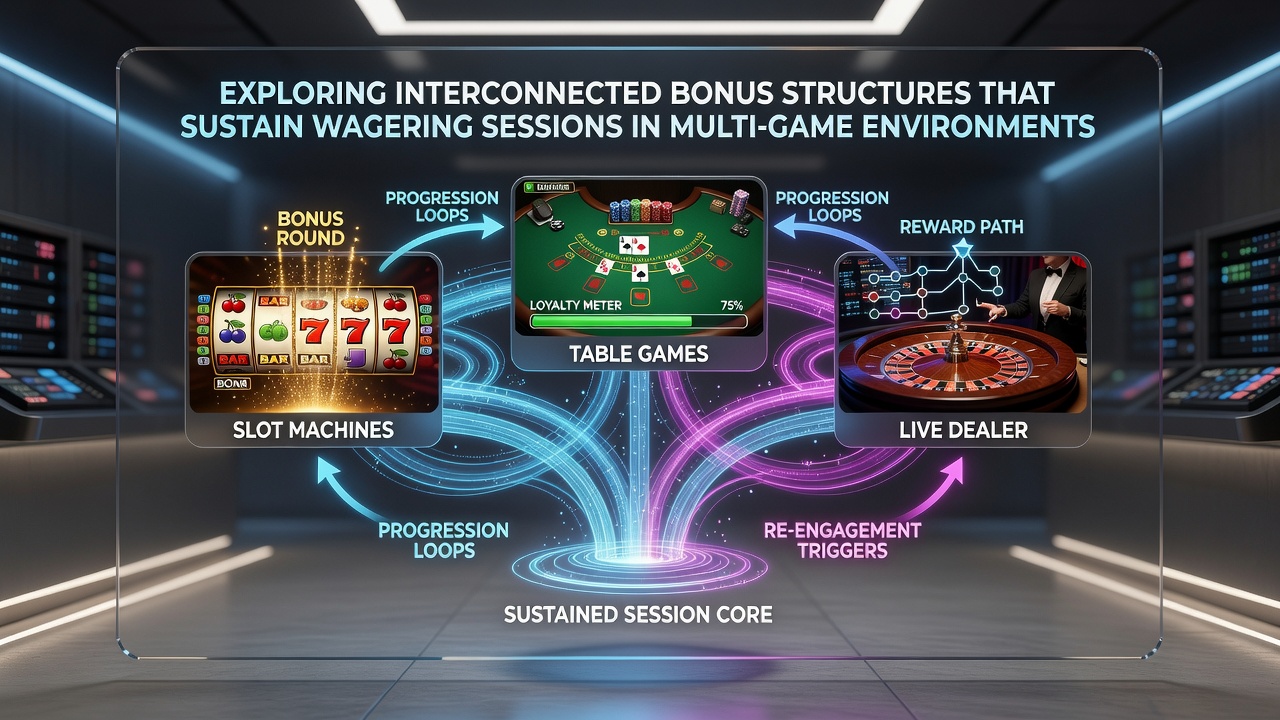
Another pattern emerges in progressive systems where contributions from multiple game types feed a single jackpot meter, yet individual play still earns personalized bonus layers. A player moving from online slots to a live dealer table might carry forward a percentage of their recent wagers as a table-specific reload, while the overall account retains eligibility for the linked progressive. Figures from the American Gaming Association reveal that operators employing these methods report higher retention metrics across their full game libraries compared with isolated title promotions.
Player Movement Patterns and Account Continuity
Tracking data collected by platform providers demonstrates that accounts using interconnected bonuses exhibit fewer logouts between game switches, as the system automatically applies pending rewards upon entering a new vertical. This continuity stems from backend rules that preserve bonus validity across categories, provided wagering thresholds remain met. Researchers tracking behavior in North American and Australian markets have documented cases where a single session spans five or more distinct games because each transition triggers an incremental reward step rather than requiring a fresh deposit or activation.
Those monitoring regulatory filings in multiple jurisdictions note that such designs must comply with rules governing bonus transparency and fund segregation, yet the technical architecture itself remains consistent across regions. The focus stays on verifiable point tracking and clear conversion disclosures presented to the account holder before any game switch occurs.
Conclusion
Interconnected bonus structures function through shared accounting layers and conversion protocols that allow value generated in one game type to support activity in others, resulting in longer continuous play records across multi-game platforms. Available data from industry associations and academic tracking projects shows measurable effects on session length and category crossover without requiring repeated external funding. These systems continue to evolve alongside platform capabilities, maintaining account-level continuity as the core operational principle.